RV Campgrounds in Indiana: Hookups, Sites, Honest Reviews
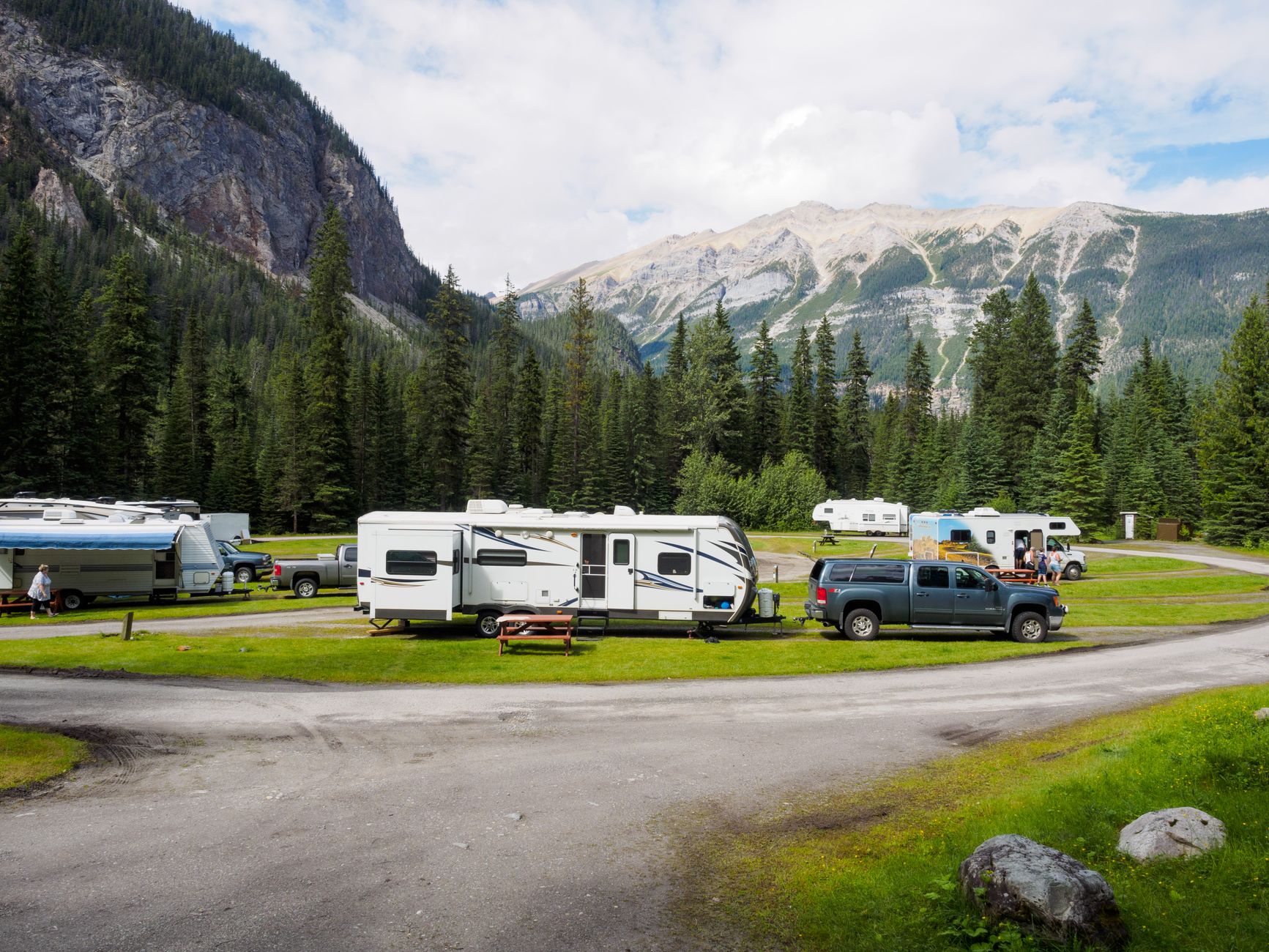
Indiana, in cross-section, is two states stacked under one license plate. The northern two-thirds was scraped flat and then re-buttered by the Wisconsinan glaciation; the southern third, what geologists call the Norman Upland and the Crawford Upland, escaped the ice and crumples instead into knobs, sinkholes, and the dolomite-walled ravines of the lower Patoka and East Fork White rivers. This matters, because where you want to park an RV in Indiana is almost entirely a function of which side of the terminal moraine you'd rather wake up on.
I don't usually write about the Midwest — my beat is the Southern Appalachians, and I'll admit a bias — but I've worked my way through enough of Indiana's campground inventory over the last few years (family in Bloomington; a long detour back from a conference in Champaign) to have opinions. Most of the roundups I read for this state are bad: they recycle the same five "top picks" and never tell you which loops have full hookups, which sites flood after a hard rain, or which "RV park" is just a gravel lot behind a gas station. So: an honest pass.
The Hoosier National Forest and the Reservoir Country
The southern third of Indiana is the part most worth visiting, and most of the good public RV camping is clustered around three large impoundments: Lake Monroe (south of Bloomington), Patoka Lake (around Birdseye), and Hardy Lake (near Scottsburg). All three were mid-century flood-control projects, which is a polite way of saying farms and small communities were bought out and flooded; the campgrounds here sit on what was, within living memory, somebody's hayfield.
Hardin Ridge Recreation Area, on the south side of Lake Monroe inside the Hoosier National Forest, is the Forest Service site I send people to first. The Holland and Pine loops have electric hookups (50-amp at some pads), the bathhouses are adequate if not luxurious, and the swim beach is genuinely good. There's no full hookup loop — you'll dump on the way out — but the sites are spaced for adults, not packed for revenue. Tipsaw Lake and Celina Lake, both further south near Tell City, are smaller and quieter; Tipsaw has electric, Celina is rustic and not really for a big rig.
Patoka Lake's Newton-Stewart SRA, run by Indiana DNR rather than the Corps, has a large electric loop and a smaller full hookup section that books out months ahead for summer weekends. The lake itself is the second-largest in Indiana, and the eastern arms are a respectable place to paddle if you can get there before the pontoon traffic. Worth noting: this was Miami and Shawnee land, ceded under pressure in the early 19th century; the the small interpretive signage at the property is better than most state parks manage.
State Parks with Decent RV Loops
Indiana's state park system is older and better-funded than people outside the state realize. McCormick's Creek, established 1916, was the first; Turkey Run followed in 1916 as well, after the state outbid a logging company at auction. The CCC built much of what you actually camp on today — the stone shelters, the bathhouse cores, the loop roads that still don't quite fit a 35-foot fifth wheel.
Brown County State Park, outside Nashville, is the largest in the system and the one everyone names. Buffalo Ridge and Taylor Ridge campgrounds have electric sites; there's no full hookup loop, which surprises people. The sites in the older Raccoon Ridge are tighter and more wooded — if you have a van or a small trailer, ask for those; if you have a 40-foot motorhome, don't. Brown County in October is genuinely lovely and genuinely overrun. I prefer the first two weeks of November, after the maples have dropped and the oak russet takes over (and the gate staff stop counting cars at the entrance.
Pokagon State Park, up on Lake James near Angola, is named for Simon Pokagon, the Potawatomi leader whose band was one of the few not forcibly removed in the 1830s. The campground has electric, a good beach, and — this is the part nobody mentions — significant boat and jetski noise on summer Saturdays. Go in May or late September. Chain O'Lakes, southwest of there near Albion, is quieter, smaller, and the better choice if you actually want to canoe.
Other state park RV options worth a sentence each: Versailles State Park (off US 50, second-largest in the system, full hookup loop added in the last decade), McCormick's Creek (electric only, recovering from the 2023 tornado that took out a lot of the canopy), and Turkey Run (electric, gorgeous sandstone gorges, sites that were sized for a 1962 Airstream and have not been resized since).
The Dunes, and What "Hookups" Actually Means Up There
Indiana Dunes National Park — redesignated from a national lakeshore in 2019 — has exactly one campground, Dunewood, and it is electric-and-water at best, with most sites being non-hookup. People call this a hidden gem; it is not hidden, it is forty minutes from downtown Chicago and the South Shore Line runs past the property. What it is, is small (66 sites) and shaded and quiet at night, which is more useful than "hidden."
Adjacent Indiana Dunes State Park has a larger campground with electric sites and a more conventional state-park feel — a camp store, a nature center, and the trail to Mt. Tom, which is the tallest of the foredune ridges. Neither of these is a full hookup RV park in the strict sense. If you need sewer at the site, you'll want one of the private parks east along US 20 toward Michigan City, and I'd be lying if I said any of them were charming.
Private RV Parks: A Few Honest Notes
Indiana's private RV park landscape is, frankly, uneven. There is a long tail of small, family-run parks behind country gas stations that exist primarily to serve seasonal residents and harvest workers, and these are often fine but rarely worth a destination trip. The destination-grade private parks cluster around three things: Indianapolis Motor Speedway (race-week pricing is its own ecosystem), Santa Claus / Holiday World, and the Shipshewana Amish country.
Lake Rudolph Campground & RV Resort, next to Holiday World in Santa Claus, is the most reviewed private park in the state for a reason: full hookups, cabins, a pool, and shuttle access to the amusement park. It is also a parking lot with grass between the pads, and if that's not what you want, do not go there. Elkhart Campground, off I-80/90, is a perfectly competent overnight stop with full hookup pull-throughs; nobody is writing poetry about it, but you'll sleep fine. Shipshewana Campground South, near the flea market grounds, is the one I'd pick in that region if you're actually there to see the Amish country and don't need a resort experience.
A Short List of Sites I'd Actually Reserve
- Hardin Ridge (Pine Loop), Hoosier National Forest — south side of Lake Monroe, near Bloomington. Electric. Best public RV camping in the state, in my opinion.
- Newton-Stewart SRA, Patoka Lake — near Birdseye. The full hookup loop fills first; the electric loop is fine.
- Buffalo Ridge, Brown County State Park — near Nashville. Electric. Shoulder season only if you value your sanity.
- Pokagon State Park — Angola, on Lake James. Electric. May and late September.
- Versailles State Park — off US 50 in southeastern Indiana. Has a full hookup loop, which is rare for the state system.
- Dunewood Campground, Indiana Dunes National Park — Beverly Shores. No hookups at most sites; go anyway, but bring water.
- Chain O'Lakes State Park — Albion. Electric. Genuinely quiet.
- Lake Rudolph RV Resort — Santa Claus. Full hookup. Only if Holiday World is the point.
A Few Practical Gotchas
Indiana state park campgrounds use a reservation system separate from Recreation.gov — you'll book through the IN DNR portal. The Corps of Engineers sites at Patoka, Monroe, and elsewhere are on Recreation.gov; Hardin Ridge (Forest Service) is also on Recreation.gov. Booking windows and cancellation rules differ between the three systems and shift periodically, so check before you go.
Bug pressure in southern Indiana from late May through mid-July is real — chiggers especially, more than mosquitoes, which is the opposite of what most visitors expect. If you're tent-camping alongside the RV (kids, friends, the dog who won't settle in the rig), have a look at your tent and sleeping bag setup for the season; summer nights in the Ohio Valley are humid and warm, not the cool you might be used to further north. Full gear notes are elsewhere on the site.
Hiking from the campgrounds is mostly good. Brown County, Turkey Run, and McCormick's Creek all have trail networks worth a half-day; the Hoosier National Forest's Two Lakes Loop near Tipsaw is the closest thing to a backcountry experience the state offers. More on hiking and specific trails in the related posts, and the broader parks index covers non-RV options. For the bigger picture of public lands, AllTrails' Indiana page is a reasonable starting point, though, as always, the user reviews skew toward the loudest hikers and not the most accurate ones.
Honest Take
If I had a week in Indiana with an RV and no other obligations, I'd spend three nights at Hardin Ridge, two at Patoka, and two at Pokagon or Chain O'Lakes — a rough south-to-north drift that follows the spring up the state in April or back down it in October. I'd skip the Indianapolis-adjacent private parks unless I had a race ticket, and I'd accept that "full hookup" is harder to find in the Indiana public system than it is in neighboring states. The state's strength is its old, CCC-bones state parks and its underrated Forest Service sites in the south; its weakness is that the geolgoical drama is concentrated in one corner, and the the rest is a long polite drive between cornfields. Go in shoulder season. Make reservations early. Don't believe the word "hidden."
Common questions
- Which Indiana state parks have full hookup RV sites?
- Full hookups are limited in the Indiana state park system; Versailles State Park is the most notable example with a full hookup loop added in recent years. Most other state parks (Brown County, Pokagon, Turkey Run, McCormick's Creek, Chain O'Lakes) offer electric and water but require you to dump on the way out. Confirm current site amenities through the IN DNR reservation portal.
- Is Hardin Ridge in Pisgah — sorry, in the Hoosier National Forest — worth the drive?
- Yes, if you're already in southern Indiana or southern Illinois. It sits on the south side of Lake Monroe near Bloomington, the sites are spaced generously, and the swim beach is one of the better ones in the state. It has electric hookups but no full hookup sites, so plan accordingly.
- When is the best time to RV camp in Indiana?
- Shoulder season — late April through May, and mid-September through early November. Summer weekends at the popular parks (Brown County, Pokagon, Indiana Dunes) are crowded and reservations go fast. October weekends at Brown County in particular are extremely busy due to fall color traffic.
- Are there RV campgrounds inside Indiana Dunes National Park?
- There is one campground, Dunewood, with 66 sites. Most are non-hookup; a limited number have electric. It is not a full-service RV park. For full hookups in that region you'll need to look at private parks east toward Michigan City along US 20.
- How do reservations work for Indiana campgrounds?
- Indiana DNR state parks use their own reservation system. Army Corps of Engineers lakes (Patoka, Monroe) and Hoosier National Forest sites (Hardin Ridge, Tipsaw) use Recreation.gov. Booking windows and cancellation policies differ between the systems and change periodically, so check the relevant site before traveling.
- Which RV park is best for visiting Holiday World?
- Lake Rudolph Campground & RV Resort in Santa Claus is directly adjacent to Holiday World with full hookups, cabins, and shuttle service. It's effectively a resort-style parking facility — convenient if the amusement park is your reason for the trip, less appealing if you want a nature-focused stay.
- Can you tent camp alongside RV sites at these campgrounds?
- Most of the campgrounds listed allow tents at RV sites, but loops are often split between modern (electric/hookup) and rustic (non-electric) areas. If you're bringing both an RV and a tent for kids or guests, look at the rustic loops at the same property — they're usually quieter and cheaper.
Wren writes about campgrounds the way her grandmother wrote about gardens — slowly, with footnotes (the footnotes are her favourite part). She is professionally bothered by phrases like "hidden gem" and personally bothered by anyone who leaves microtrash. Carries a copy of Peterson's in the side pocket of her pack. Has thoughts about geology.
M.A. in environmental history. Former interpretive ranger at Great Smoky Mountains NP. Field credentials in flora & fauna identification, archived in the Audubon Society state directory.
More from Wren Holloway
- When Is Camping Season in Idaho? Month-by-Month RealityIdaho camping season, month by month — from the panhandle lakes to the Sawtooths — with honest advice on when to actually go.
- When Is Camping Season in Iowa? Month-by-Month RealityAn Iowa camping season breakdown, month by month, from mud in March to the actual best weeks in October — with specific parks worth the drive.
- When Is Camping Season in Washington D.C.? Month-by-Month RealityA month-by-month look at camping season around Washington D.C., from Greenbelt Park to Prince William Forest, with honest picks for the best times to go.
- When Is Camping Season in California? Month-by-Month RealityCalifornia's camping season isn't one season — it's a vertical stack. A month-by-month look at when to go where, from Joshua Tree to Tuolumne.
- When Is Camping Season in Arkansas? Month-by-Month RealityArkansas has a twelve-month camping season with two clear peaks — here's the honest month-by-month, by watershed and elevation, not by the calendar.
- When Is Camping Season in Alabama? Month-by-Month RealityAn Alabama camping season guide with real month-by-month expectations — humidity, bugs, fall color timing, and the shoulder weeks worth planning around.


