On the Trail
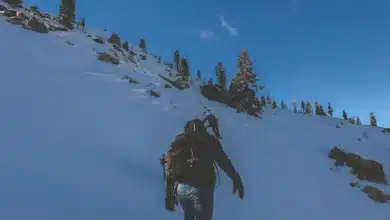
Winter hiking takes some additional skill and navigation. You’ll have to carry more gear, regulate body temperature, and pay extra careful to the trail. There are also other dangers such as ice and hypothermia. This page will discuss winter hiking safety such as pacing, staying warm on the trail, and the best way to hike in groups.Pacing
After the first half hour or so, you’ll start to find a good rhythm that works. If you are stopping frequently to catch your breath or to rest, then you are moving too quickly. When you rest, it should mostly be to drink some water, grab a snack, and look at the map. Keep in mind on multi-day trips, the first day or two, your body will still be getting adjusted to its new environment and to your equipment.Thermo-Regulation
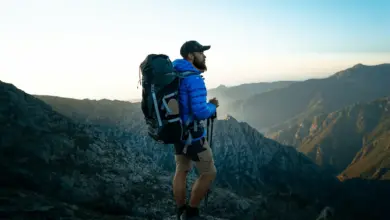
When hiking, the body will warm up quickly. One starting out, your body should be a little cold. After about 10 minutes, your body will start to warm up. And if you need to stop to take off or put on another layer, don’t be afraid to stop and do it. When winter hiking, it’s important to keep all your clothes dry. If you begin to sweat too much, try taking off or adjusting a layer. If it begins to snow, put on a shell. If you happen to stop by someplace warm or near a fire, take advantage to dry out any wet clothes. If you’re drying clothes by a fire, be careful of flying embers that may damage your clothing.You may also like Easiest Tents to Set Up by Yourself
Staying Together
When hiking in a group, the group members will have different experiences, gear, and fitness levels. One way to make sure everyone is taken care of is if everyone takes responsibility for the person behind them. This way, nobody lags behind and gets separated. If someone needs to stop, then the whole group should stop. Nobody should ever get left behind. Sometimes members would like some extra distance from other members to experience the stillness and beauty of their environment. This is fine as long as nobody is out of eyesight. The group should travel at the pace of the slowest member. If the group is too fast for the slowest person, the slower person will have to use more energy to catch up and will start to become demoralized. A good way to prevent this is to have the slower member lead the group for a little while. This will allow the member to go at their own pace and get a psychological boost. There are other reasons to want to rotate leaders. If a leader is breaking the trail, they may tire quicker than the rest of the group. If the leader gets tired, a nice technique is for the leader to step aside to rest and join the group at the rear when it passes. If each member does this, the person who was at the rear should be rested enough to take the lead again, and the cycle continues. Another technique to help break the trail is to give the leader a lighter load. Food and equipment can be divided by the rest of the members. The lighter pack can be passed around to new leaders when needed.You may also like Are Winter Boots Waterproof? It Depends
Awareness
Being aware of your surroundings, your group, and yourself is always important, but it is especially more important in winter when there are more dangers. Being aware is all about listening. Listening to your environment and noticing any danger. Keep an eye out for ice and any storms that may be coming in. Listen to your group members and pay attention to snow safety such as hypothermia and frostbite. A member of the group who complains they are cold may be in greater danger. Always be listening with your eyes and ears.Reading the Weather in the Field
A winter trail forecast from your phone at the trailhead is a starting point, not a guarantee. Skills that matter once you’re out there:
- Cloud reading. Thickening cirrus (thin high clouds) often precedes a storm by 12–24 hours. Lenticular clouds over peaks mean high winds aloft.
- Wind shifts. A sudden shift in wind direction, especially if temperature drops simultaneously, is often the leading edge of a cold front.
- Barometric pressure (if you have an altimeter watch). A steady drop over 2–3 hours with no elevation change means a weather system is moving in.
- Animal behaviour. Birds dropping to lower elevations, predators hunting at unusual times — classic pre-storm signals.
- Your own senses. Air that feels “heavy” or “still” before a storm is a real perceptual thing, not imagination.
Navigating When the Trail Disappears
- Fresh snow covers trails. Even obvious summer routes vanish under 6 inches. Pre-mark waypoints on GPS before leaving the trailhead.
- Flagging. Some winter-popular trails have orange flagging on trees at eye-level. Look up if the ground tracks vanish.
- Follow a map and compass. Phone GPS dies in cold. Paper map and compass still work at -30°F. Learn to use them before you need them.
- Track your own path. On a whiteout return, your own footprints are the most reliable trail marker you’ll have.
- Turn-around triggers. Pre-decide: if visibility drops to X, or I reach Y time, I turn around. Don’t make that decision in the moment when fatigue compromises judgement.
Group Hiking Dynamics
- Move at the pace of the slowest person. No exceptions. Splitting up is how people get lost.
- Rotate the lead. Especially breaking trail in fresh snow. 5-minute rotations prevent one person exhausting themselves.
- Check in at waypoints. Every major trail junction or landmark, wait for the group.
- Buddy system for gear checks. Before leaving camp or the trailhead, each person checks one other person’s setup.
- Nobody hikes alone off-route. If someone needs to pee or catch up, they stay on the trail and in sight of the group.
- Pre-agreed communication signals. Whistle blasts: 3 for emergency, 1 for “stop / attention.” Universal enough to work in any language group.
Eat and Drink on Schedule, Not Appetite
Cold suppresses thirst and appetite, which is why hikers get dehydrated and bonk without feeling hungry. Better approach:
- Drink every 30 minutes. A few sips, not a waiting-until-thirsty gulp. 2–3 litres a day minimum on a moderate winter hike.
- Eat something every hour. Even a handful of trail mix. Body heat production depends on calories in your bloodstream.
- Put a hot drink in an insulated bottle. Warm liquid in sub-freezing temps is surprisingly effective at raising core temperature.
- Skip the big meal at camp. Frequent small snacks beat one dinner for energy management.
- Watch for low-blood-sugar symptoms. Irritability, difficulty making decisions, clumsy footwork — all signs you need calories before you need rest.
Avoiding Common Winter Hiking Mistakes
- Starting too warm. Sweating in the first 15 minutes means wet layers for the rest of the day. Start cool, earn your heat.
- Trusting “the plan” over reality. If conditions change, your plan changes. Turning back isn’t failure.
- Underestimating daylight. Winter sunsets come 2–3 hours earlier than summer. Plan to be off the trail with an hour of light in reserve.
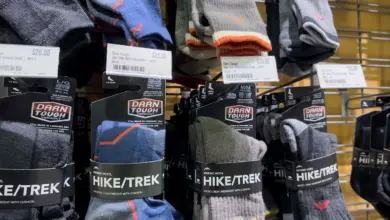
- Cotton anywhere. Hoodies, jeans, t-shirts. Don’t. See our layering guide.
- Cold hands = frostbite risk. Gloves inside mittens with chemical warmers at the first sign of numbness. Our frostbite guide covers the medical detail.
- Phone only. Relying on an unpowered, cold-susceptible device for navigation is how search-and-rescue gets called.
Winter Trail FAQ
What’s the ideal hiking pace in winter?
30–45% slower than your summer pace on the same trail. Breaking trail in fresh snow can cut pace in half again. Budget accordingly.
Is it safe to winter-hike alone?
Less safe than summer, on a known trail in familiar weather, yes with a satellite beacon (Garmin inReach, Zoleo). In avalanche terrain or unfamiliar routes, solo is much riskier.
What’s the minimum gear I should always carry?
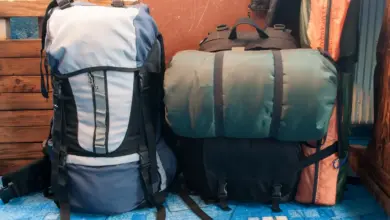
Ten Essentials + extra insulation layer + extra socks + chemical warmers + emergency bivy + satellite messenger if you’re more than 3 miles from the trailhead.
How do I know when to turn back?
When visibility drops below 100 feet, when anyone in the group is shivering, when you’ve used more than half your daylight, when weather is worse than forecast, or when your inner voice says it’s time. Don’t ignore any of these.
What do I do if I get caught in bad weather?
Shelter, insulate, communicate, stay put. Build a tree-well shelter if possible, layer on everything dry, ping your satellite beacon with a status update, and wait. Moving in bad weather leads to more problems than staying put.