What Is a Snow Saw For?
Snow saws are just that, saws for cutting snow. Snow saws are helpful when creating snow barriers when camping, building igloos, and testing snow stability to avoid avalanches. In an emergency, snow saws can be used to cut through wood.Setting up Camp
Around camp, backpacking shovels can do wonders such as build wind barricades and trenches, but if the snow is hard-packed or frozen over, shovels can have a hard time breaking in. Saws will make cutting through snow much easier.Making Shelters
If you ever watched a video of Inuits building igloos, you know the only tool they use is a hand saw. It’s pretty fascinating to watch them cut blocks of snow and stack them just right.You may also like The Complete Guide To Winter Camping Stoves
Testing Avalanche Conditions
When traveling in potential avalanche areas, you’ll want to stop and perform a stability test in the snow. Snow saws can make cutting into snow blocks and performing avalanche test much easier.Emergencies
If there’s ever a need to cut wood for an emergency, a snow saw will get the job done. Ideally, if you backpacking, you should carry a separate saw for cutting firewood.How Long Does a Snow Saw Need to Be?
If your testing snow columns for avalanche safety, you’ll want to make sure you have a long enough blade. The extended column test requires a snow column 30 cm deep, so you’ll probably want a blade that is at least 35cm long. A few saws on the market attach to adjustable ski poles to help extend the length of the saw. This is quite useful for cutting the back of the snow column where it’s harder to reach.
You may also like Best Safe Tent Heaters
Different Types of Snow Saws
Snow saws come in different variations depending on their use. Some snow saws have aggressive teeth and are designed for building shelters and cutting throw ice and wood. Other saws are scientific snow saws with measurements for analyzing snow conditions and snow crystals. Some even attach to the end of ski poles, are foldable, and come in different lengths.Snow Saw Reviews
The best snow saw really depends on what you will be using the saw for. With most gear choices, a lot of it comes down to personal preference. We went ahead and did some research to help you compare some of the snow saws on the market so you can decide for yourself which snow saw is best.MSR Basecamp Snow Construction Saw
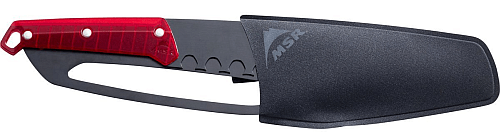
The Basecamp Snow Saw has a blade of 65 cm that is designed for cutting through snow for building snow shelters and wind barricades at base camps. The aggressive tooth design and curve is designed to cut through snow fast and in both directions. The voids between the teeth help remove unwanted snow.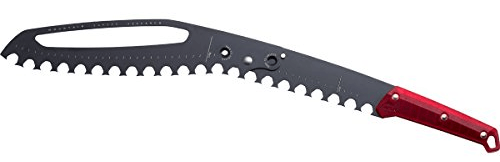 The Basecamp saw blade is made from durable, lightweight 7075 aluminum. The blade is also foldable, allowing it to be packed inside a protective sheath, saving space.
You may also like Best Headlamps For Camping
Black Diamond Snow Saw Pro
The Black Diamond Snow Saw Pro has a serrated 35cm stainless steel blade for making clean cuts through snow. The saw attaches to most Black Diamond ski pole shafts (excluding Pure Carbon ski poles) using the three color-coded interchangeable connection pegs for additional reach. When not in use, the blade folds safely into the handle, saving space and the need for a sheath.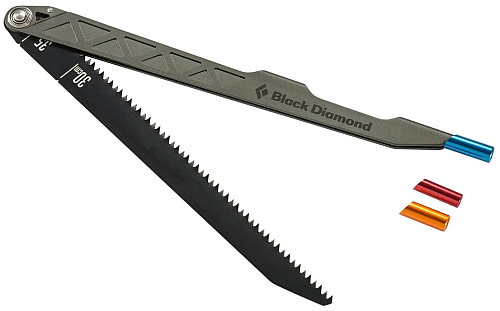
Backcountry Access Snow Saw
The Backcountry Access Snow Saw has a 35cm blade that is sharp enough to cut through snow, ice, and actual wood, which not many other snow saws can handle. Some consider the Backcountry Acces Saw to be more on the flimsy side, while others consider it adequate. The ergonomic handle makes sawing easier, especially when cutting through wood. The sheath that comes with the saw is cheap, so be careful the blade doesn’t tear up your pack. Because of its versatility, it’s not only great for backpacking and skiing but also for other activities like snowmobiling.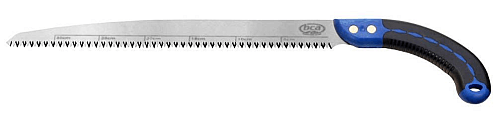
What a Snow Saw Actually Does
Snow saws are specialized tools for one main job: cutting blocks of snow cleanly. The three real use cases:
- Snow shelter construction. Building igloo blocks, shaping quinzhee walls, carving snow-cave entrances.
- Avalanche safety pit analysis. Cutting clean walls in a snowpack profile to see weak layers. Critical skill for backcountry skiers.
- Campsite platform shaping. Leveling a tent pad, cutting stairs into a slope, making a kitchen bench.
A snow saw isn’t for breaking up ice (wrong tool, breaks the blade) or cutting wood (the blade geometry is different from a wood saw).
Three Snow Saw Types
- Fixed-blade compact saws. G3 Bonesaw, Voilé Backcountry. ~10-inch aggressive-tooth blade on a handle. Light (5–8 oz), fast, best for avy pit work and moderate shelter building.
- Folding snow saws. Black Diamond Flicklock Saw, MSR Responder. Blade folds into a handle like a chef’s pocket knife. Safer in a pack, slightly slower to deploy.
- Extendable shaft saws. Voilé Telepro, G3 AviTech. Blade attaches to the end of a telescoping shaft (often pairs with an avy probe). Lets you saw a full-depth pit wall without getting in the hole — a safety plus.
Blade Features That Matter
- Tooth count and geometry. Aggressive rip-style teeth bite hard snow; fine teeth cut powder but pack too quickly in wet snow.
- Length. 10-inch blades handle most use cases. 15+ inches for shelter-building in firm snow.
- Material. Stainless steel doesn’t rust; aluminum is lighter but bends.
- Coating. PTFE or teflon-type coatings prevent wet snow from sticking to the blade.
- Blade guard. A saw without a sheath will slice your pack and your hands. Essential accessory.
How to Use a Snow Saw for Shelter Blocks
Building an igloo or quinzhee, the process looks like this:
For detailed shelter-building technique, see our winter campsite setup guide.
Snow Saws for Avalanche Safety
Backcountry skiers and splitboarders use snow saws to isolate columns for stability tests (compression test, extended column test). Workflow:
- Dig a pit 6–8 feet deep with vertical walls.
- Use the saw to isolate a 30 x 30 cm column in the back wall.
- Apply progressive taps with a shovel blade; observe how the column fails and at which layer.
- Record results and use them to make travel decisions.
This is a learned skill — AIARE Level 1 or equivalent avalanche course covers it in a day. Don’t rely on online tutorials for life-safety decisions.
Care and Storage
- Dry before storage. Water in tooth gullets rusts stainless over time.
- Sharpen annually. A dull snow saw makes slow work of firm snow. A fine file works for touch-ups; major sharpening is a job for a saw shop.
- Inspect for cracks. Aluminum blades can develop stress cracks. Replace if you see hairline fractures.
- Store the sheath with the saw. A naked blade in a pack is the fastest way to destroy gear and clothing.
- Never lend yours at a trailhead. Snow saws get “borrowed” and go home with the wrong person — label yours.
Snow Saw FAQ
Do I really need a snow saw?
For winter camping, yes — leveling a platform and building a snow wall is 3x faster with a saw than a shovel. For backcountry skiing, absolutely yes (avy pit tests). For casual snowshoeing, no.
Can I use a regular handsaw for snow?
In a pinch — but the teeth are wrong for snow. They pack up with powder and slow down. Purpose-made snow saws are worth the $30–$60.
What’s the difference between a snow saw and a bow saw?
Bow saws have a curved frame and are designed for wood. Snow saws are flat-bladed with aggressive teeth and no frame. They cut snow much faster and are much lighter to carry.
How long should a snow saw be?
10 inches handles most tasks. 14–16 inches is better for shelter building in firm snow. Longer blades are slower to pack but cut through thicker walls in fewer strokes.
Can a snow saw double as a splint?
The flat blade can be used as a rigid splint for a broken limb in a real emergency — wrap it in a jacket or tape to skin through clothing to avoid metal-on-skin cold transfer.