
There are a few shoes that have been truly iconic in history. Doc Martens have been one of those shoes that have been around since 1947 and were designed specifically for comfort. Once popular among police officers and factory workers, they are now a fashion icon. But lots of people want to know, are Doc Martens good for hiking?
Can You Hike in Doc Martens? While you can technically hike in Doc Markets, Doc Martens are not designed as a hiking boot and are not suggested to hike in. For long or technical hikes, hiking shoes or boots are recommended.
Hiking in Doc Martens
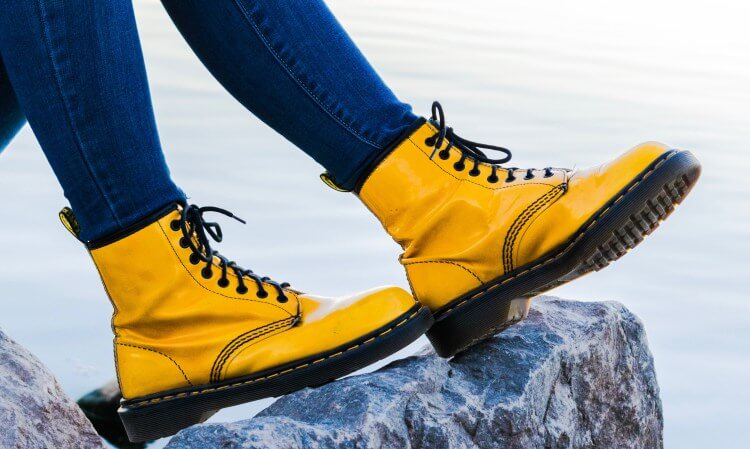
Doc Martens have been known in the past for their durability. Some claim that Doc Martins can last 20 years or longer… but that was up until 2003 when the company moved their operations to China to avoid bankruptcy. And since then, a lot of people now claim that Doc Martens just aren’t as durable anymore. You can still purchase Doc Martens made in the United Kingdom, but at a premium price.
But what about hiking? Simply put, Doc Martens just arent’ designed to be a hiking boot. They can take a long time to break-in, and those who have hiked in Docs have had a poor time.
I’ve scoured the web looking for people’s experiences hiking in these boots and whether or not it’s a good idea…
You may also like Hiking in Converse, How Bad Is It Really?
Most people said it wasn’t:
- I made that mistake last summer, and will never do it again.
- I would never buy a pair of docs and try to hike in them.
- Buy hiking boots, please learn from my mistakes
- I wear boots about 90% of the time and can attest that Docs are not hiking boots but they are very comfortable once broken in.
- I love Docs but they are not for hiking
- Hiking in Doc Martens are not the best idea
- I saw that poor guy in serious pain that night at the hostel. He had awful blisters on his pale white feet because he was hiking in Doc Martens.
- Literally should not be hiking in these
- I have never heard of people serious about hiking buying Docs to hike in.
- I wouldn’t recommend hiking in docs
- The Doc Martins will fall apart taking the beating the trails will give them. Leave those for walking around downtown, etc.
- Hiking in Doc Martens, although fashionable, are not reasonable or suggested.
And some who tried hiking in Docs had poor experiences:
- After hiking for two days in them my foot was bleeding. I had 3 blisters and a numb big toe. It turns out I have nerve damage and had to wear tennis shoes for three weeks.
Here’s one review from their website:

But depending on the type of hike, they might be okay:
- Doc Martens are not specifically designed for trekking but if it is simple terrain and they fit well they should be ok.
Some people had positive experiences:
- Almost zero break-in needed. They felt good to hike in right out of the box.
- I was able to wear them all day every day for 2 weeks straight, and even used them for hiking. They felt super comfortable.
- Hiking, everyday hunting, and fishing. There are not many places I haven’t worn my Docs.
- I wore them for the first time on a 5 mile hike along the Cliffs of Moher in Ireland and was worried they’d be killing me, but they felt wonderful.
You may also like Can You Hike in Snow Boots?
When Might Hiking in Doc Martens Be Okay?
While most people think it’s usually a bad idea to hike in Docs (and I will agree), it might not always be the worst idea. If your Docs are already broken in and you’re going for a walk through the woods, then it’s probably fine. If you’re doing any overnight hiking, backpacking, long or difficult hikes, then I would reconsider wearing Docs.
But that’s not to say that you can’t go hiking if you don’t have actual hiking boots. Lots of people hiking in running shoes and I think they would be much better than Docs.
Tips for Hiking in Doc Martens
If you do go hiking in Docs, here are some tips:
- Make sure your boots are broken in and fit your feet.
- Wear socks that go above the boot to prevent rubbing. You might even want to consider wearing 2 pairs of socks to prevent blisters.
- Protect and waterproof them using Dubbin beeswax (see price at Amazon)
You may also like Military Boots for Hiking (Tips and Recommendations)
Doc Martens on Different Trail Types
Not all hiking is the same, and the Doc Marten verdict changes with the terrain:
- Urban trails and parks: perfectly fine. Chelsea boots and 1460s handle paved paths without complaint.
- Dry day hikes under 5 miles: acceptable once broken in — but expect sweaty feet.
- Muddy or wet trails: the leather holds up well, but they’re water-resistant, not waterproof. Standing water over the welt will soak through.
- Rocky or scrambling trails: the flat, low-lug Airwair sole slides on granite and wet rock. Skip.
- Snow: surprisingly workable for short hikes above freezing thanks to the thick sole, but cold feet come fast.
- Multi-day backpacking: no — the weight alone (about 22 oz per boot, 2x a trail runner) is a deal-breaker.
Why Doc Martens Feel Comfortable at the Bar and Brutal on a Trail
Three specific differences between Docs and a real hiking boot:
- Sole stiffness. Docs use a flexible PVC blend. Hiking soles use a stiffer EVA or nylon shank that supports the arch and transfers weight to the heel on descents.
- Heel-toe drop. Docs are nearly flat (0–4mm). Hiking boots typically use 8–12mm drop, which reduces calf strain on long climbs.
- Arch structure. Docs have almost none. A long day in Docs is the single most common reason people end up with plantar fasciitis after a hike.
This is why Docs feel great for 4 hours at a concert but wreck your feet after 8 hours on trail — the use case they were designed for is static standing, not dynamic walking.
How to Make Doc Martens Hike Better
If you’re committed to hiking in Docs, a few upgrades help:
- Break them in first. Docs have an infamous 4–6 week break-in period. Hiking in stiff Docs on day one is a blister disaster. Wear them around the house and on short errands first.
- Swap the insole. A Superfeet Green or PowerStep insole fixes most of the arch-support problem.
- Proper hiking socks. Merino crew socks, not cotton. Our write-up on two-sock layering pairs especially well with rigid leather boots like Docs.
- Waterproof them. A tin of Dubbin or beeswax balm worked in twice a year adds real water resistance.
- Go with the Combs. If you’re shopping specifically for hiking, the “Combs” model has a chunkier, lugged sole and handles trails better than the classic 1460.
Doc Martens vs a Real Hiking Boot
- Weight: Docs 1460 ~22 oz/boot vs Merrell Moab 2 Mid ~14 oz. Docs are 60% heavier.
- Waterproofing: Docs resist splashes; a real hiking boot has a Gore-Tex membrane.
- Grip: Docs have ~2mm lugs; a hiking boot has 4–5mm Vibram.
- Break-in time: Docs 4–6 weeks; modern synthetic hiking boots often zero.
- Price: Docs 0–0; a decent entry-level hiking boot 0–0.
- Style off-trail: the one category where Docs clearly win.
Doc Martens for Hiking FAQ
Are Doc Martens waterproof?
No — water-resistant. The leather sheds rain for a while, but extended wet exposure or water above the welt will soak through. The “WP” variant exists but is discontinued in most markets.
Can I hike 10 miles in Doc Martens?
You can, but you’ll pay for it. Expect sore arches, hot spots, and possibly blisters. A 10-mile trail run in Docs is a known pain ritual among certain YouTubers — not a recommendation.
Do Doc Martens have good grip?
The Airwair sole grips well on dry pavement and indoor floors. On wet rock, loose dirt and leaves, they’re noticeably slippery. The newer Combs model addresses this with deeper lugs.
Are Doc Martens good for rainy weather?
For city walking in rain, yes — they handle puddles better than canvas or mesh shoes. For trail use in rain, gaiters and a shell pant help, but you’ll eventually get water in. See our boots in snow piece for the broader waterproofing picture.
Should I break in Doc Martens before hiking?
Absolutely — and not just a little. Brand-new Docs on a 6-mile hike is how people end up with bloody heels. Wear them for 2–3 weeks of daily errands first.
Conclusion
Most people don’t have good experiences hiking in Doc Martens. After all, they aren’t designed as a hiking boot and are considered more a fashion icon. They might be fine for nature walks and light hiking, but nothing beyond that.



I’ve bought my Dr Martens winter boots last November. They’re lined with feather. I waterproof them using beewax when required. I’ve been wearing them everyday since November, as winter in Montreal is harsh. I always wear two layers of wool socks to withstand the cold. I hike three to four times a week, walking up to 16 km / 10 miles straight. It’s in the forest on mountains. They are outstanding, comfortable, warm, even by -20C / -2F. I didn’t walk on normal trail ground yet because the trails and everything is covered in feet of snow. But they manage very well in the snow. I wouldn’t wear them for a week of trekking in the summer, but they are warmer than normal hiking boots (leather boots with Vibram soles). Of course, this is my personal experience, I’ve obviously break in them since I wear them everyday. I like the support they provide. People who complain about blisters should know that no matter what they wear, they’ll have blisters if they hike with only one pair of socks. Always wear two layers of socks for hiking. If you don’t and have a good experience, then it’s good, but if you end up with blisters don’t criticize the boots for it.
I personally own a pair of soft leather Dr. Martens (Pascal) and they are very comfy and don’t need to be broken in at all. I also own a pair made out of the tough leather and I would never wear those for an extended period of time, but the pascals definitely get the job done and feel amazing!